October 15, 2026
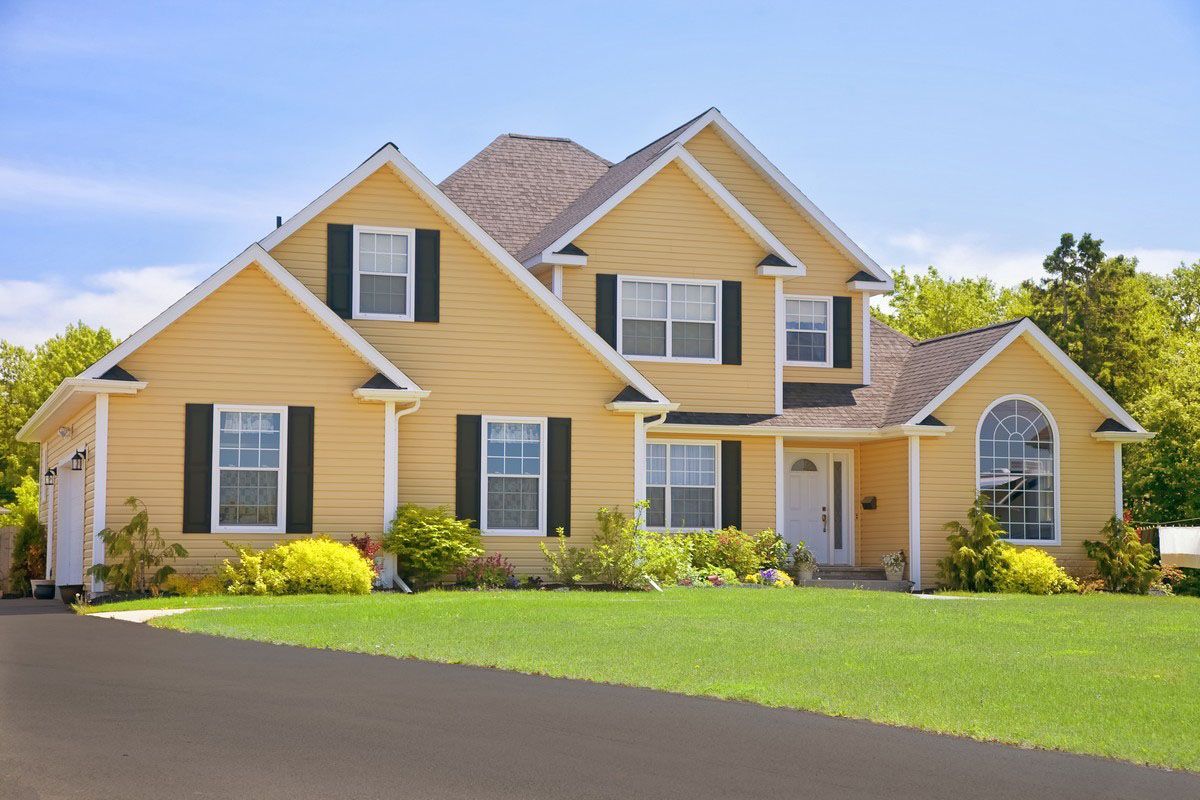
The approach to a residence sets the tone for the entire property footprint. Driveways serve as functional paths and aesthetic elements that influence curb appeal and property value. Property owners overlook the immense structural integrity required to support heavy vehicles day after day. Surface aesthetics might catch the eye, but enduring strength relies on correct installation methods and consistent upkeep. Ignoring early warning signals leads to structural failure and costly replacements.
Individuals benefit from grasping the fundamental principles of pavement science before initiating a property improvement project. A reliable asphalt company approaches every paving task with a strict focus on longevity and resilience against the elements. Beneath the smooth surface lies a complex foundational system designed to distribute vehicular weight and manage environmental water runoff. Educating oneself about these crucial underlying systems empowers property owners to make sound decisions regarding future repairs.
Understanding the Foundation of Paving
A resilient surface begins long before the pavement touches the ground. Subgrade preparation determines the ultimate lifespan of the entire structure. Contractors must excavate the area to remove organic material, soft soil, and debris that could compromise the base. The remaining earth is graded and leveled to create a stable resting place for the aggregate materials. A weak subgrade guarantees future surface failure regardless of top-layer quality.
Following excavation, the introduction of a robust aggregate base is necessary for structural support. Crushed stone forms a locking matrix that bears the brunt of heavy loads and prevents shifting over time. The thickness of this base layer depends on the soil composition beneath it. Clay-heavy soils require a thicker stone base to counteract swelling and shrinking caused by moisture changes. Proper base installation is non-negotiable for longevity.
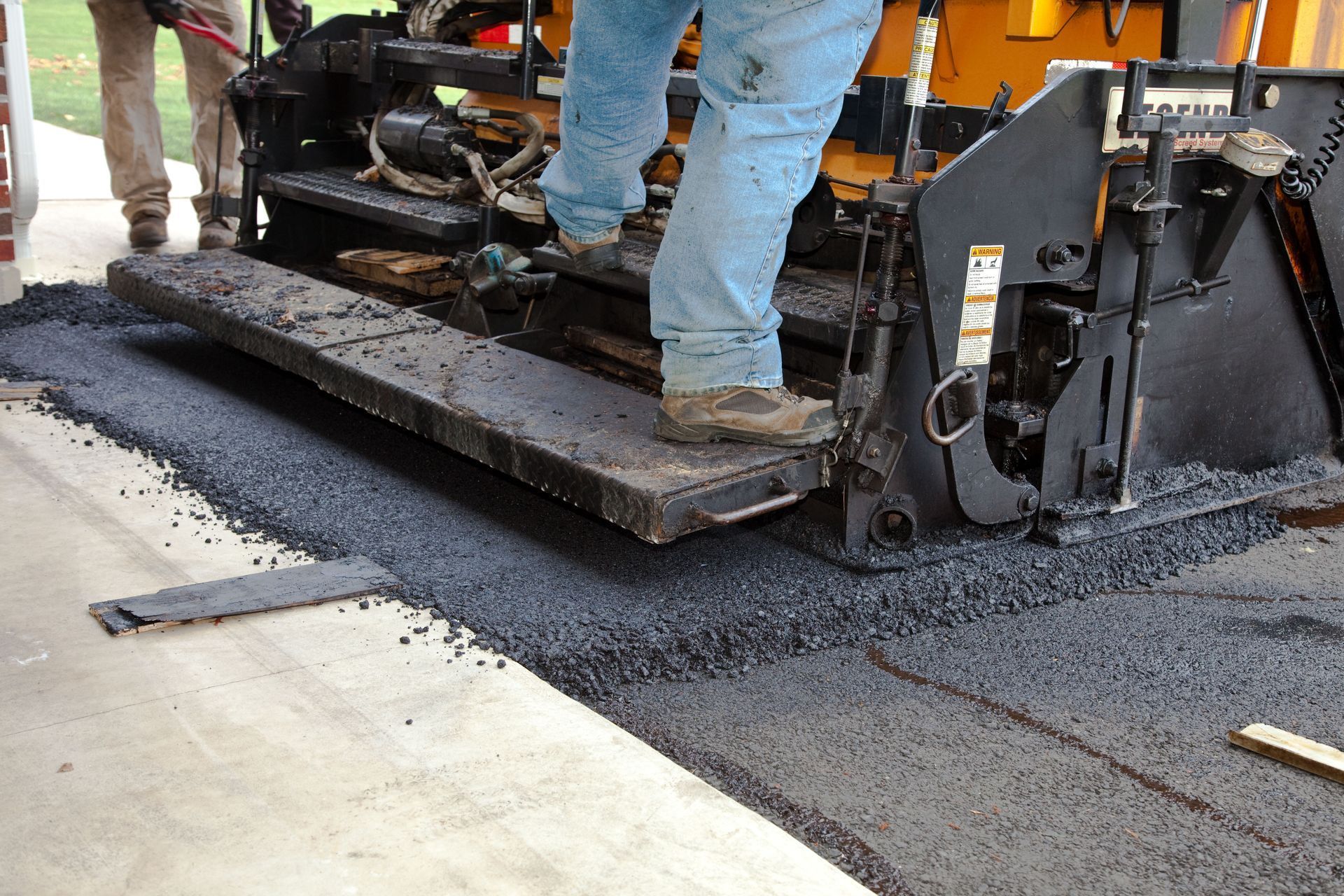
The process of compaction transforms loose stone and soil into an immovable foundation. Heavy machinery rolls over the base material to eliminate air pockets and lock the crushed stone pieces together. An asphalt company relies on specialized equipment to achieve maximum density in the base layers. Inadequate compaction allows the base to settle in uneven patterns under the weight of vehicles, causing the surface layer to crack and sink.
Water management plays a critical role in foundational design. Without proper drainage, moisture penetrates the base layers and weakens the soil structure, leading to severe pavement damage. Grading the sub-base ensures water flows away from the structure and surrounding buildings. According to This Old House, driveways should be sloped at least 2% away from homes. This slope prevents water from pooling near the foundation.
Recognizing the Signs of Deterioration
Even well-constructed surfaces display symptoms of wear and environmental stress. Small fissures appear as the pavement expands and contracts with fluctuating seasonal temperatures. Moisture enters these narrow openings, accelerating the breakdown of the binder that holds the aggregate together. Property owners should monitor the pavement for any emerging gaps. Catching these minor imperfections early prevents them from evolving into major structural hazards.
Left unaddressed, minor gaps expand into interconnected networks known as alligator cracking. This pattern indicates a fundamental failure in the base layer, caused by poor drainage or excessive weight loads. When alligator cracking emerges, simple surface repairs are no longer viable solutions. The damaged section requires complete excavation and reconstruction to restore the structural integrity of the pavement. Recognizing this pattern helps owners anticipate the scope of repairs.
Potholes represent the most severe form of surface degradation and require immediate attention. These deep depressions form when water freezes and thaws inside the pavement, breaking apart the material. Vehicle traffic knocks the loosened aggregate away, creating a void in the surface. An established asphalt company addresses potholes by cutting away the damaged perimeter and installing fresh material into the stable base. Ignoring potholes leads to vehicle damage.
Environmental exposure alters the chemical composition of the pavement over time. Ultraviolet rays oxidize the surface, causing the deep black color to fade into a dull gray. This color change signals that the binder has become brittle and less flexible. Brittle pavement lacks the ability to bend under pressure, making it susceptible to snapping and fracturing. Fading serves as a visual indicator that the surface requires protective intervention.
Prioritizing the Routine of Maintenance
Proactive care extends the lifespan of pavement far beyond its expected duration. Sealcoating applies a protective liquid layer over the surface, replenishing the essential oils lost to oxidation. This barrier shields the material from ultraviolet rays, vehicle fluids, and water penetration. Property owners must avoid over-sealing, as excessive layers cause the material to flake and peel. Applying a fresh coat at appropriate intervals maintains structural flexibility.
Keeping the surface clean minimizes the risk of chemical damage. Motor oil, gasoline, and antifreeze dissolve the petroleum-based binder, creating soft spots in the pavement. Regular washing removes these hazardous fluids before they penetrate the surface layer. Sweeping away leaves and organic debris prevents moisture from resting on the pavement for extended periods. Simple cleaning routines preserve the integrity of the material and enhance property appearance.
Addressing gaps early is the most effective defense against water infiltration. Specialized rubberized fillers expand and contract with the pavement, keeping the elements out during temperature fluctuations. A reputable asphalt company utilizes industrial-grade materials to ensure a watertight seal that outlasts retail products. Neglecting small gaps allows water to erode the base material, accelerating the need for a complete replacement. Consistent crack filling yields significant long-term preservation.
Seasonal transitions demand specific maintenance strategies to combat weather-related stress. Before winter arrives, sealing all openings prevents ice expansion from shattering the pavement. During snow removal, utilizing plastic-edged shovels protects the surface from deep scratches and gouges. In warmer months, owners should avoid parking heavy vehicles in identical spots to prevent depressions in the softened material. Adapting care routines to the climate ensures the pavement endures environmental challenges.
Selecting the Materials for Longevity
The composition of the paving material dictates its durability and performance in specific environments. Standard mixes combine crushed stone, gravel, and sand with a petroleum binder. The ratio of these ingredients changes based on the intended use of the surface. High-traffic areas require a coarser aggregate to withstand constant friction and weight. Selecting the appropriate mixture guarantees the surface can handle the specific demands placed upon it.
Climate conditions dictate the specific formulation of the binder used in the mix. Regions experiencing extreme heat require a stiffer binder to prevent the pavement from becoming too soft and prone to rutting. Cold climates necessitate a flexible binder that resists snapping when temperatures plummet. Manufacturers adjust these chemical profiles to maximize the lifespan of the pavement in any geographical location. Matching the material to the climate is crucial.
The top layer, or surface course, provides a smooth finish and final protection against the elements. This layer utilizes smaller aggregate pieces to create a dense, water-resistant barrier. The texture of the surface course affects tire traction and water runoff. A well-designed surface course balances a sleek appearance with necessary functional grip. Choosing the right surface material ensures a safe, attractive, and resilient finish for the property structure.
Navigating the complexities of property maintenance requires foundational knowledge and careful observation. Partnering with a skilled asphalt company ensures that every phase of the project meets strict quality standards. From the initial excavation to the final protective coating, attention to detail dictates the ultimate success of the installation. By prioritizing proper design, robust materials, and consistent care, property owners guarantee a durable surface that withstands the test of time. When you are ready to protect your property investment, reach out to our team at O.Cooper Asphalt Paving LLC to schedule a comprehensive evaluation. As a dedicated asphalt company, we look forward to delivering lasting, resilient results for your home.